Heroin Test

£19.75

SKU: MMC0119 Category:

Description

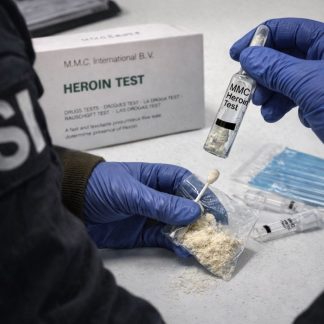
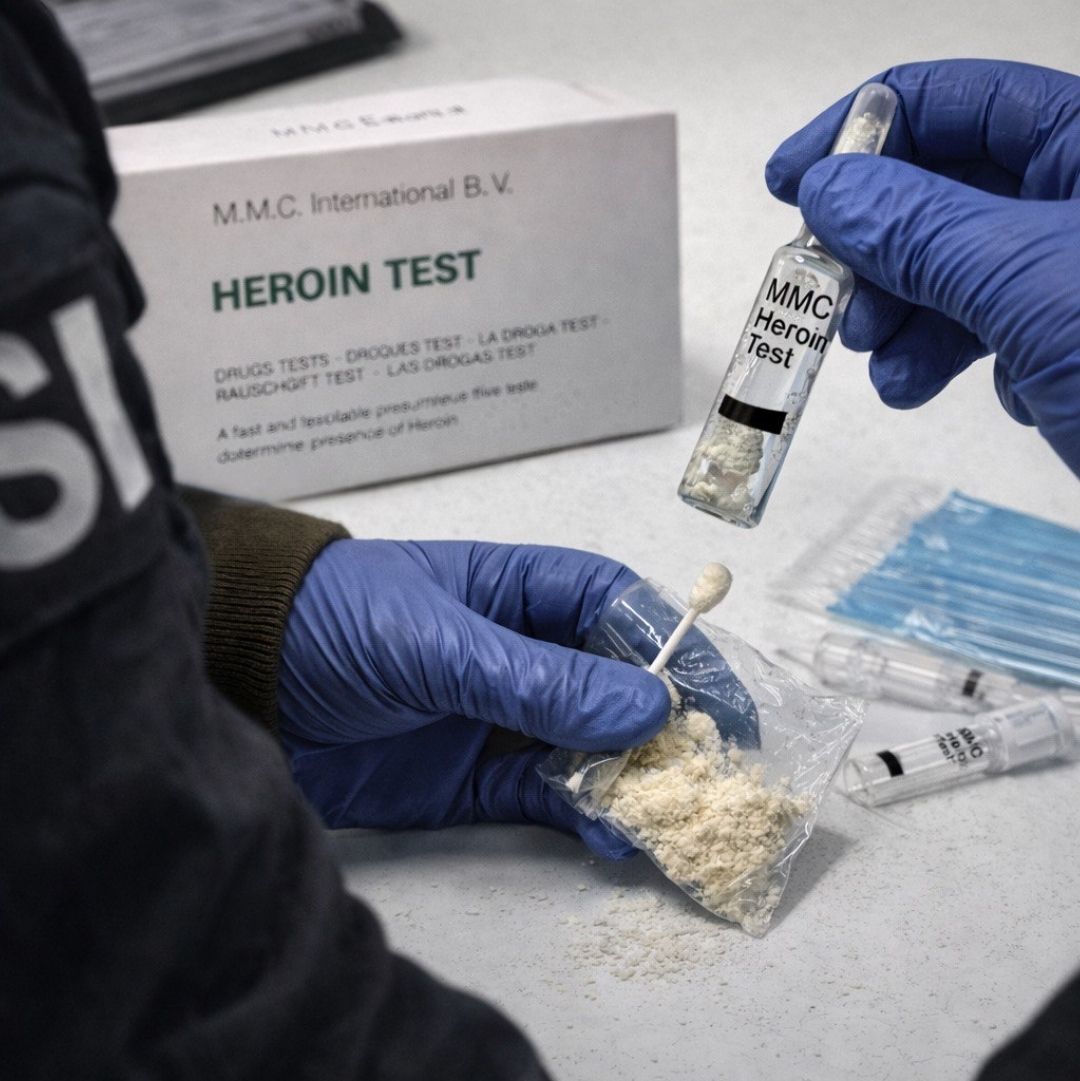
Heroin Test

This drug test is used for the presumptive identification of Heroin (White, Brown and Black Tar).

10 narcotic tests per pack

Helpful Information: Heroin Test

Heroin: What It Is, Types (White, Brown, Black Tar), and Key Facts. What Is Heroin? Heroin is an illicit opioid derived from morphine, a naturally occurring substance extracted from the opium poppy (Papaver somniferum). It is classified as a central nervous system depressant and is known for its powerful effects on pain perception, mood, and consciousness. Heroin works primarily by binding to opioid receptors in the brain and body, producing effects such as sedation, euphoria, and reduced pain sensitivity. Because of its potency and rapid action, heroin carries a high risk of dependence, overdose, and serious health complications. Types of Heroin: White, Brown, and Black Tar

Heroin appears in several forms, which can differ in texture, color, purity, and regional availability. These distinctions are informal and do not reliably indicate safety or strength.

White Heroin (White Powder)

  • Typically a fine, light-colored powder

  • Often associated with higher refinement

  • Commonly found in some international markets

  • May contain adulterants or synthetic opioids

Brown Heroin (Brown Powder)

  • Brown or beige powder with a coarser texture

  • Less refined than white powder

  • Often contains impurities from processing

  • Solubility and composition can vary widely

Black Tar Heroin

  • Dark brown or black, sticky or hardened substance

  • Named for its tar-like appearance

  • Generally less refined but still highly potent

  • Associated with additional health risks due to contaminants

Important: Colour or form does not reliably indicate purity, dose, or risk. All forms of heroin carry significant dangers.

How Heroin Affects the Body and Brain

Heroin rapidly crosses the blood–brain barrier and is converted back into morphine, where it activates opioid receptors. Reported effects may include:

  • Intense relaxation or euphoria

  • Drowsiness and slowed breathing

  • Reduced pain perception

  • Impaired cognition and coordination

Repeated exposure can lead to tolerance, physical dependence, and opioid use disorder. Respiratory depression is the primary cause of fatal overdose.

Health Risks and Public Health Concerns

cientific and medical research has documented numerous risks associated with heroin use, including:

  • High overdose potential, especially with unknown purity

  • Severe withdrawal symptoms with dependence

  • Increased risk of infectious diseases

  • Cardiovascular and respiratory complications

  • Long-term neurological and psychological effects

The presence of unpredictable additives in illicit heroin significantly increases risk.

Medical Context and Opioid Research

While heroin itself has no accepted medical use in many countries, opioids as a class are widely studied and prescribed in regulated medical contexts. Public health research focuses on addiction treatment, overdose prevention, and harm reduction, including medication-assisted treatment (MAT) and emergency response strategies.

Legal Status and Regulation

Heroin is classified as a highly restricted or prohibited substance in most countries. Possession, distribution, or manufacture is illegal in many jurisdictions, with limited exceptions for tightly controlled scientific research in specific regions. Legal status varies internationally and should always be verified through official sources.

Educational & Safety Disclaimer

This content is provided for educational and informational purposes only. It does not encourage or endorse the use, possession, or distribution of illegal substances. Accurate information supports public awareness, research literacy, and informed health decisions.

Reviews

There are no reviews yet.

Be the first to review “Heroin Test”

Your email address will not be published. Required fields are marked *