
Description
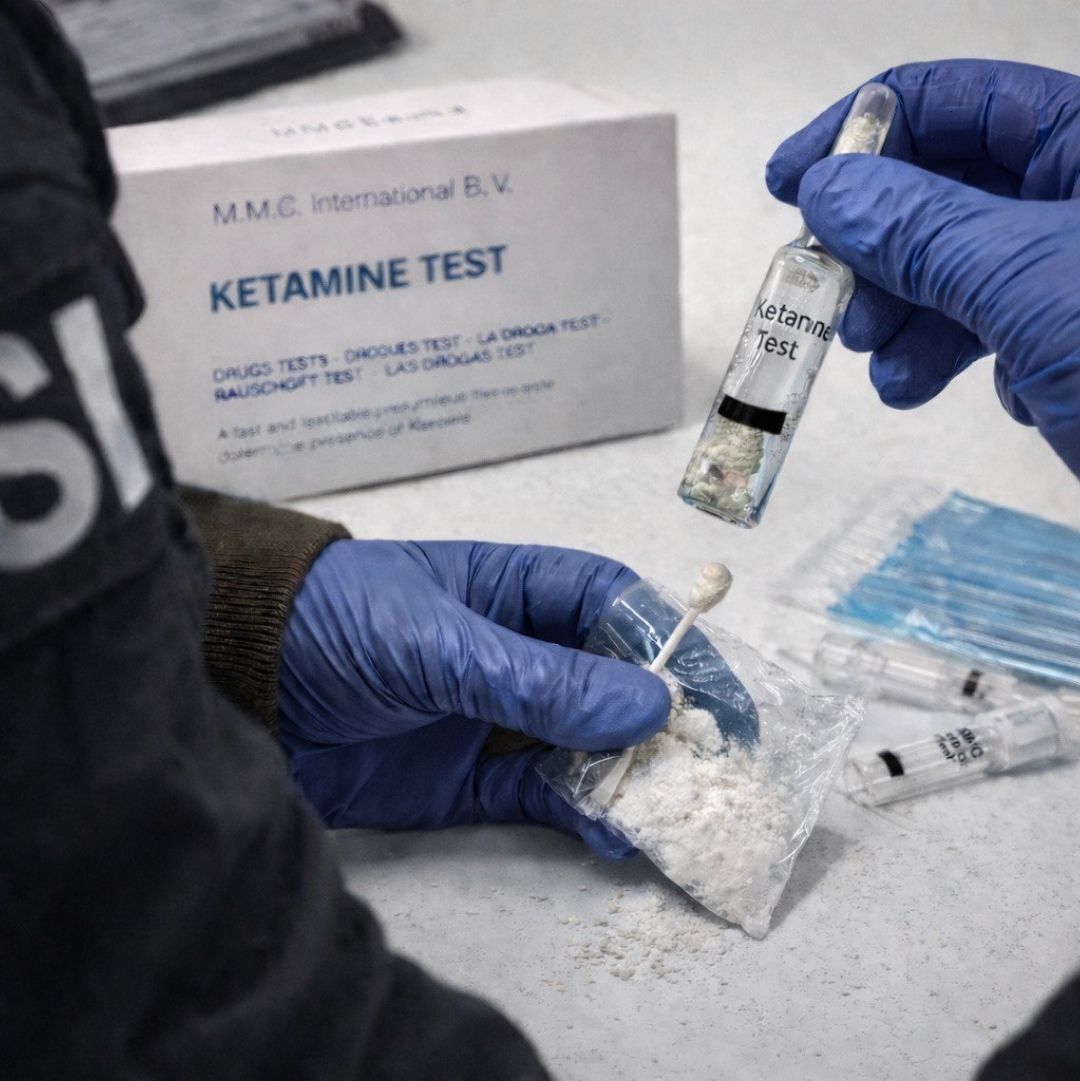
Ketamine Test MMC brand
This drug test is used for the presumptive identification of Ketamine.
10 narcotic tests per pack
Helpful Information:
Ketamine: What It Is, Effects, Uses, and Key Facts.
What Is Ketamine?
Ketamine is a synthetic compound originally developed as a dissociative anesthetic. It has been used for decades in human and veterinary medicine for anesthesia and pain management. Outside of clinical settings, ketamine is also known for its psychoactive effects, which occur at lower doses than those used medically.
Ketamine primarily works by blocking NMDA (N-methyl-D-aspartate) receptors in the brain, affecting glutamate signaling. This mechanism can alter perception, cognition, mood, and sensory processing
How Ketamine Is Commonly Classified
Ketamine is often described using multiple classifications due to its varied effects:
Dissociative anesthetic – produces detachment from surroundings and self
Psychoactive substance – alters perception, consciousness, and cognition
Analgesic – reduces pain perception in medical contexts
Its dissociative effects distinguish it from classic stimulants or depressants.
General Effects Associated With Ketamine
Reported effects of ketamine (based on clinical research and observational data) may include:
-
Altered perception of time and space
-
Feelings of dissociation or detachment
-
Sedation or relaxation
-
Changes in sensory perception
-
Temporary impairment of coordination and memory
At higher exposures, effects may become more intense and disorienting. Individual responses vary widely depending on dose, environment, health status, and formulation.
Medical and Scientific Research
Ketamine has well-established medical uses as an anesthetic. In recent years, it has also been studied in controlled clinical environments for its rapid-acting antidepressant properties, particularly for treatment-resistant depression. These uses occur under strict medical supervision and standardized dosing protocols.
Clinical ketamine treatment is distinct from non-medical or recreational contexts and involves careful screening, monitoring, and follow-up.
Health Risks and Safety Considerations
Scientific and public-health research has identified potential risks associated with ketamine exposure, including:
-
Impaired judgment and coordination
-
Nausea, dizziness, or confusion
-
Cardiovascular effects such as increased heart rate or blood pressure
-
Cognitive or memory disturbances with repeated exposure
-
Bladder and urinary tract complications associated with long-term misuse
Risks increase significantly when ketamine is used outside medical supervision or when substance composition is unknown.
Legal Status and Regulation
Ketamine’s legal status varies by country. In many regions, it is classified as a controlled substance while still being legally available for approved medical and veterinary uses. Non-medical possession or distribution may be restricted or illegal depending on jurisdiction. Always consult official local regulations for accurate legal information.
Educational & Safety Disclaimer
This content is provided for informational and educational purposes only. It does not promote, encourage, or provide guidance on the non-medical use, possession, or distribution of controlled substances. Accurate information supports public understanding, scientific literacy, and harm-reduction awareness.



Reviews
There are no reviews yet.